About HEAL
Holistic Ecosystem Adaptive Laboratory
HEAL is an applied research and demonstration laboratory turning climate-adaptation theory into living, data-backed models — across the cities, farms, rivers and hills of Bangladesh.
“If the planet exists, the humans will exist.”
HEAL is founded on a simple, uncompromising belief: long-term human prosperity depends on a thriving planet. Every venture, structure and study begins with how it protects or regenerates the environment — before any profit-making mechanism is finalised. From that foundation, we layer in appropriate technology and community ownership to make each solution efficient, independent and replicable.
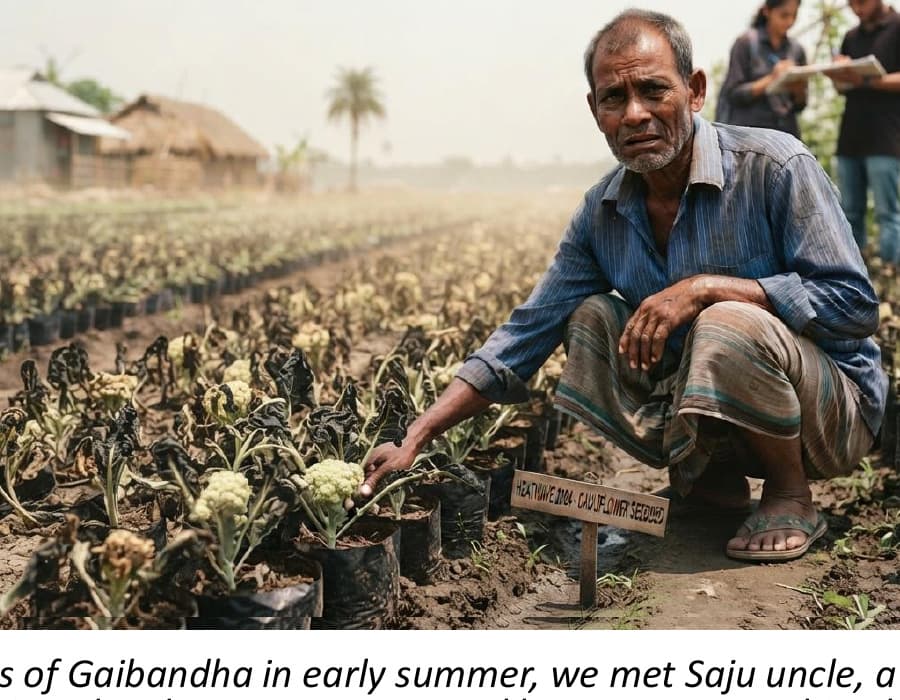
Our founding journey in Northern Bangladesh
The Spark of HEAL: Why We Started
Walking through the fields of Gaibandha in early summer, we met Saju uncle, a veteran farmer whose entire seedbed had been destroyed within a day due to an unseasonal heat wave. Watching his lifetime savings vanish with withered seedlings, we realized climate change wasn't a future threat — it is an active daily crisis destroying agriculture in Bangladesh. HEAL was born to fight back.
Mission
HEAL designs, builds and proves living models where ecological health, appropriate technology and community resilience work as one system. Through a “Live Laboratory” approach, every structure, utility and ecosystem intervention is treated as a research output — so climate solutions can be tested, quantified, validated and replicated.
Vision
A future where every home, farm and enterprise is regenerative by design, and where human prosperity and a thriving planet are inseparable. There is no compromise with the environment: its protection and regeneration come before any profit-making mechanism.
The problem
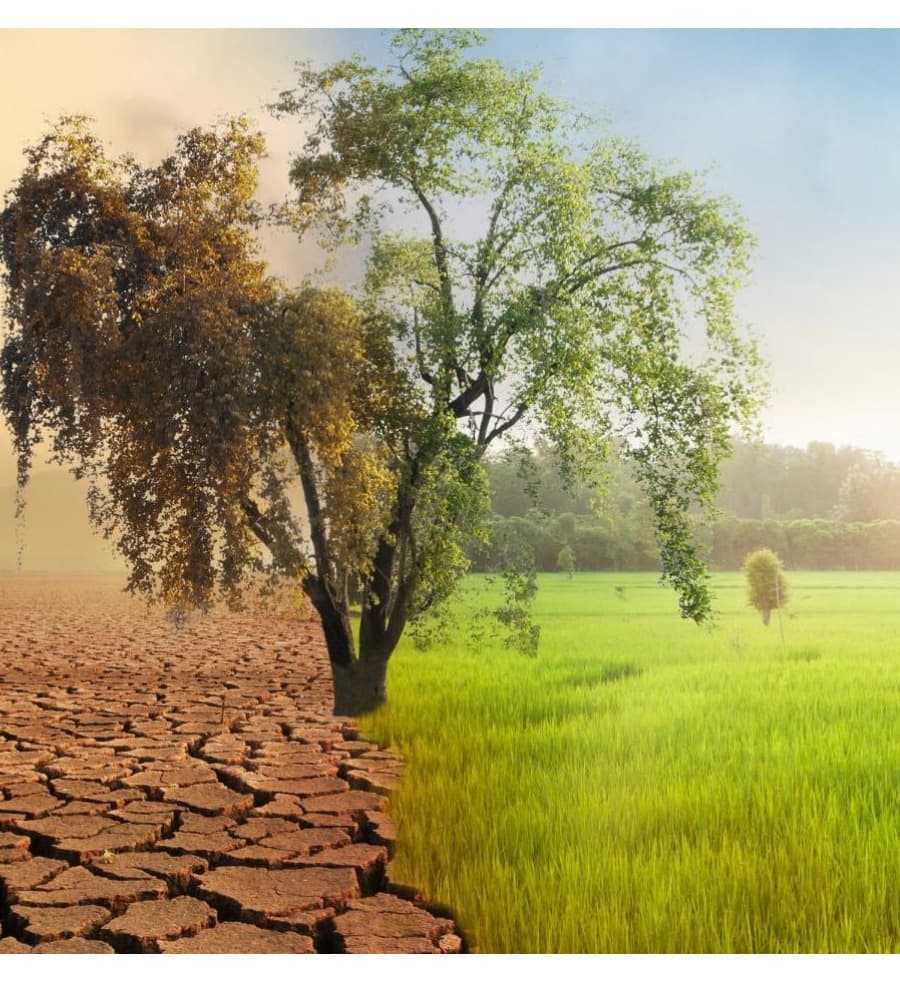
Climate change is an active daily crisis for Bangladesh's smallholders.
Erratic weather
Smallholder farmers suffer severe crop failures from unseasonal rains and sudden temperature drops.
Seedling mortality
Open-field nurseries face up to 40% seedling loss during extreme climate events.
Fossil-fuel reliance
Expensive diesel irrigation eats into 30% of total seasonal farming profits.
Food insecurity
Declining agricultural efficiency threatens local supply-chain resilience.
The solution
HEAL products that farmers can use today.
Core idea: combat adverse weather with a Seed Germinator / Seedling Incubator plus Climate-Adaptive Irrigation & Warning — traditional knowledge integrated with modern technology.
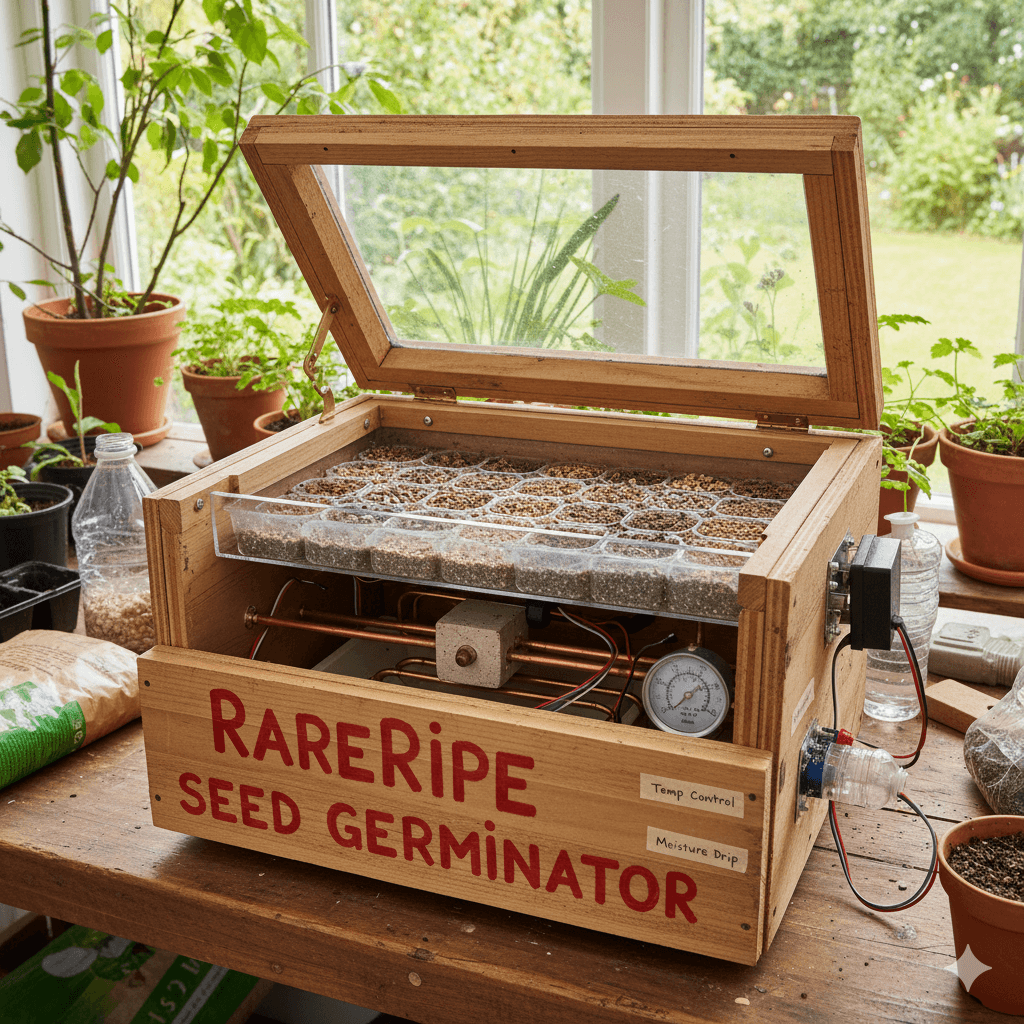
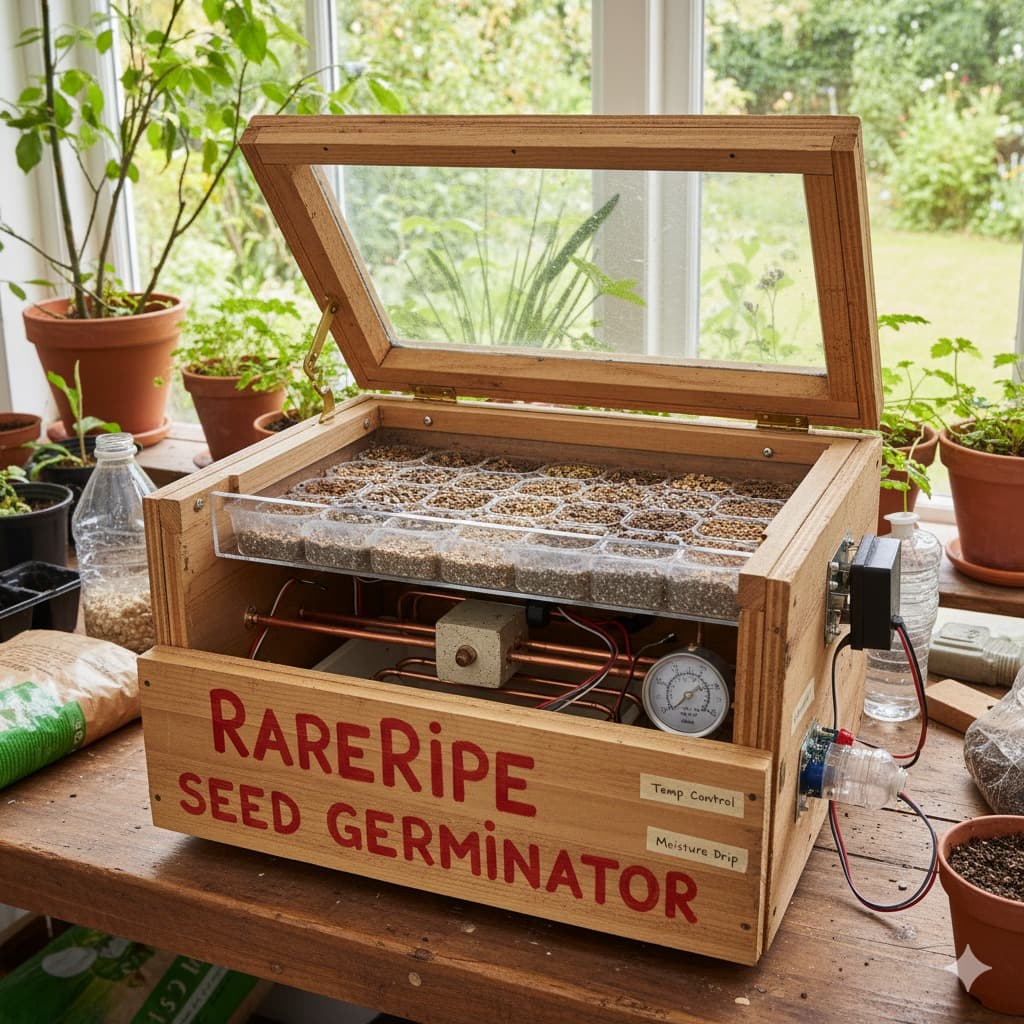
RareRipe Seedling Incubator
Climate-controlled, proprietary technology ensuring optimal germination.
Impact: Boosts seedling survival from 60% to over 95%.
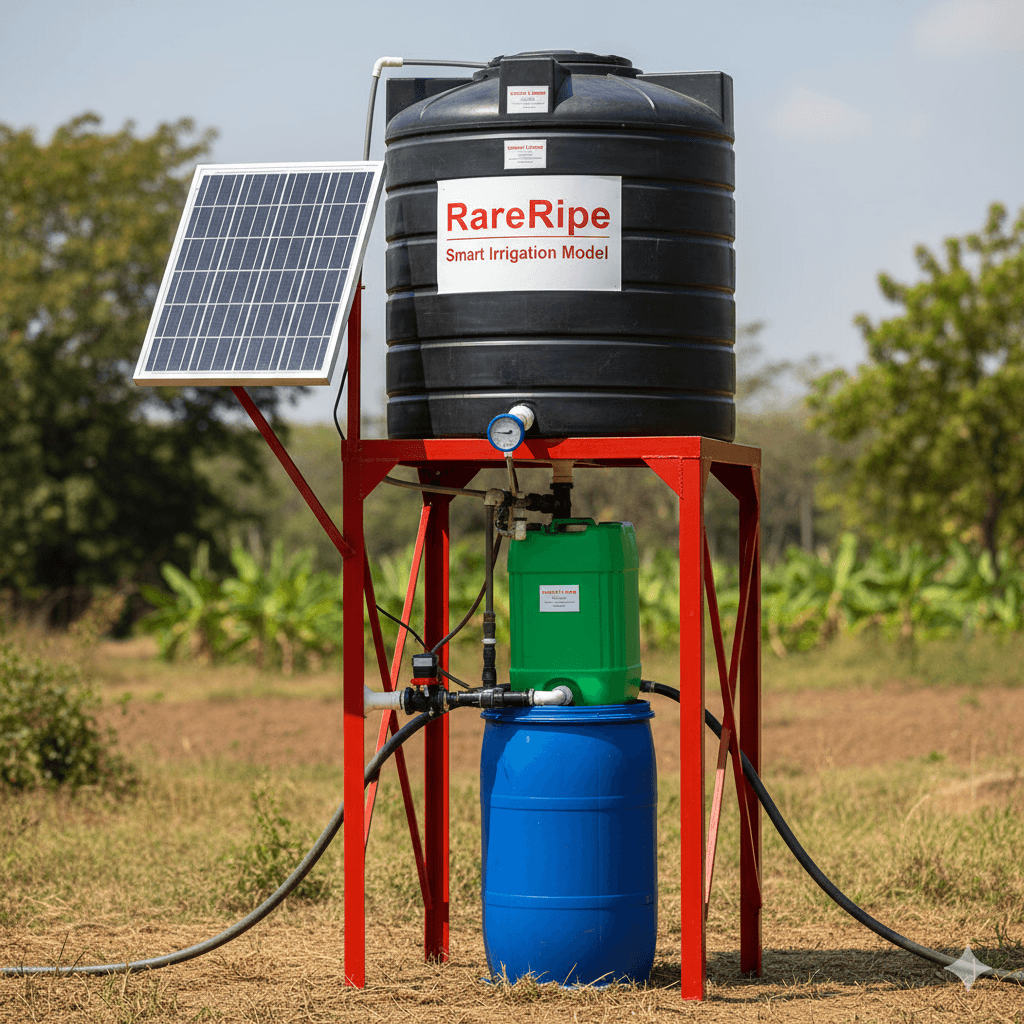
RareRipe Climate-Smart Irrigation
Sustainable, solar-powered DC pump technology for water efficiency.
Impact: Eliminates diesel dependency and reduces water costs by 70%.
Locally engineered
Built to withstand high humidity, saline fluctuations and low-voltage rural power grids.
Proprietary sensor tech
Automated micro-climate shielding that outperforms traditional open-field nursery methods.
Net-zero integration
Complete solar-powered automation with zero carbon footprint during active irrigation cycles.
Tradition + technology
Traditional knowledge and practices integrated with modern systems into one harmonized solution.
Our objectives
Five commitments that shape every blueprint.
Prove net-zero, circular living
Build full-scale Live Laboratories that integrate solar DC microgrids, circular water cycles and zero-waste systems — and openly measure how well they work.
Restore ecosystems & water security
Advance hybrid forestation, hill-slope stabilisation, groundwater recharge and wetland-based purification to reverse land and water degradation.
Preserve knowledge & heritage
Document and integrate Traditional Ecological Knowledge (TEK) and cultural heritage so local wisdom informs contemporary climate resilience.
Build capacity & green livelihoods
Train youth, women and communities in green technology, eco-entrepreneurship and stewardship, creating resilient local livelihoods.
Generate open, policy-ready research
Turn continuous field data into publications, policy briefs and replication toolkits that scale verified solutions nationally.
How we work
The Live Laboratory model
Live Laboratory
Not a conventional centre — a working environment where infrastructure and ecosystems continuously generate performance data for research and validation.
Ecology first, then technology
Ventures start from how they protect or restore nature; mechanisation and net-zero technology are layered on to ensure efficiency and independence.
Community-led & replicable
Models are locally owned and documented as open toolkits, so other communities and institutions can adopt them immediately.
Go-to-market
Marketing strategy & roadmap
Demonstration plots
Live pilot success plots in Gaibandha, Bogura and Sajek where farmers witness ~30% higher yields firsthand.
NGO & DAE partnerships
Close collaboration with the Department of Agricultural Extension and rural NGOs for grassroots trust-building.
“Green Harvest” branding
Positioning HEAL as the trusted badge of climate resilience and bumper harvests in rural community media.
Phase 1 · Months 1–6
Technological & design verification
- Rigorous product validation
- Finalize engineering designs & procurement
- Produce field-ready prototypes for controlled testing
Phase 2 · Months 7–12
Piloting
- Deploy prototypes
- Monitor KPIs
- Engage end-users and capture feedback
Phase 3 · Months 13–24
Product adjustment & commercial production
- Refine features from field data
- Establish local manufacturing or assembly
- Launch marketing campaigns
Phase 4 · Months 25+
International market integration
- Standardize manufacturing for global compliance
- Build strategic distribution partnerships
SDG contribution
Direct climate and food-system impact — with wider co-benefits.
SDG 2
Zero Hunger
Increases yields and seedling survival, stabilizing food supply for smallholders.
SDG 7
Affordable & Clean Energy
Promotes solar-powered, energy-efficient irrigation.
SDG 13
Climate Action
Strengthens resilience to erratic climate events and cuts agricultural carbon footprints.
Our people
Founders, directors and field leaders driving HEAL.
Md. Shah Jamal Choudhury Rare
Founder & Chief Innovation Strategist · Principal Lead (Sustainable Systems Laboratory) · Climate-Resilient Agriculture & Development Expert
Zubair Ahmed Shimon
Lead of Central Automation, Data, and Research
Md. Taufique Hasan Rafi
Lead of IT Solutions and Implementation Research
Md. Azizul Haque
Lead of Chemical and Packaging Solutions for an Ecologically Safe World
Md. Golam Kibria
Lead the Entrepreneurship Development for Sustainable Agricultural Initiatives
Offices & R&D footprint
Registered office and research & demonstration sites across Bangladesh.
Registered office
Sadullapur, Gaibandha
R&D-1
Pirganj, Rangpur
R&D-2
Sadullapur, Gaibandha
R&D-4
Sajek, Baghaichhari, Rangamati
R&D-5
Shibganj, Bogura
National network units
Through the Prokriti o Projukti Uddokta Forum — eight local units from river systems to the hill tracts.